
In 2024, I read 52 books across a wide range of genres and interests: fiction and nonfiction, fantasy and YA thriller, sci-fi and mystery, classics and writing advice—and more. I finally finished reading The History of Middle-earth series, a major achievement that took me about a decade. I also reread a few favorites, like Andrew Peterson’s Adorning the Dark and Brandon Sanderson’s Stormlight Archive (in anticipation for the release of Wind and Truth, which is both my last read of 2024 and my first read of 2025).
To close out the year, here are some of my highlights from this year’s reads:
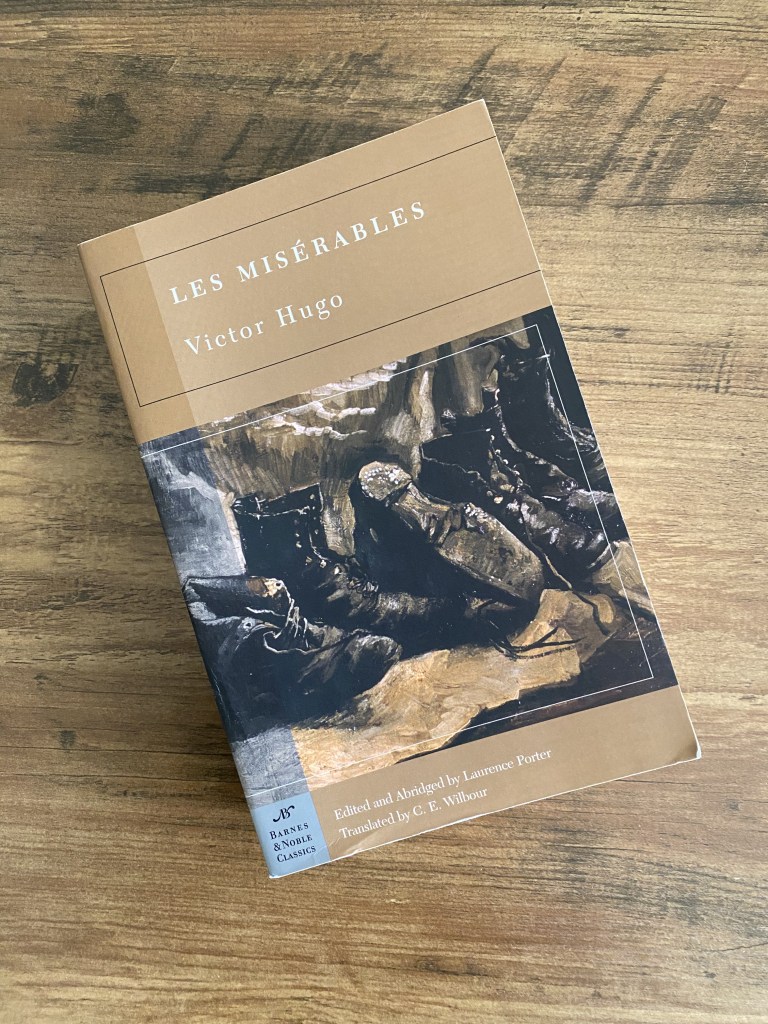
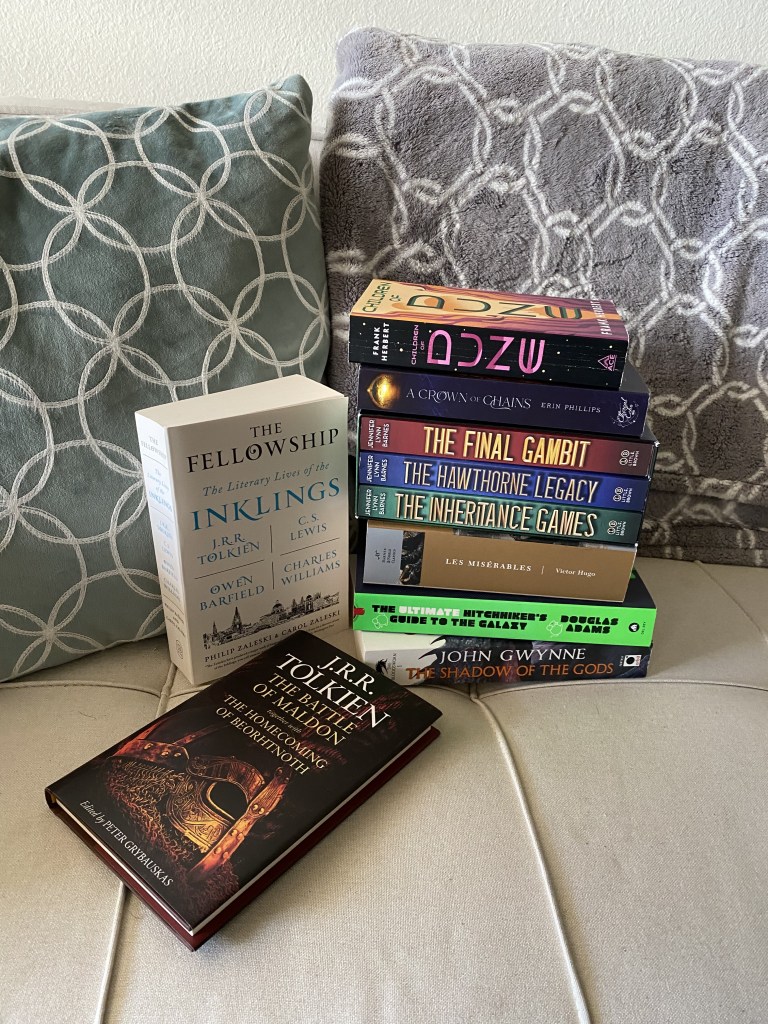
Les Miserables by Victor Hugo (5/5 Stars): This book is a classic for a reason, and if you’re a fan of classic 1800s literature, it’s a must-read. I did accidentally read the abridged version (I didn’t read the cover carefully enough, plus it was a $5 book), so while I did miss out on some historical context within the novel, I still got the story. Truly a fantastic book, and now among my favorite classic novels.
Bird by Bird by Anne Lamott (3/5 Stars): This is probably a controversial rating, so let me explain. Bird by Bird has been hyped up by so many writers I know and whose opinions I generally agree with, so I finally got around to reading it—and felt underwhelmed. A lot of the advice in the book, I’ve heard from other places (some of whom probably did get it from this book, come to think of it). I also personally found some of her humor off-putting; it just wasn’t for me at times. What made the whole book worth it for me, though, were the chapters on writer’s block and finding a purpose outside of publishing for your writing. There are other books about writing that I would recommend over this one, personally, but it’s a good addition to my shelf of writing resources.
The Sword of Shannara by Terry Brooks (3/5 Stars): I found this fantasy book, the start of a multi-book series, through a writing book about writing series, and finally got around to giving it a try. And…it was okay. Plot-wise, it started off a little slow for me, and the characters were not the most compelling or complex. Parts felt like a riff of The Lord of the Rings, which apparently is a common criticism of this book. On the positive side, when the plot does pick up, it does well at escalating stakes and including plenty of obstacles and setbacks. It’s certainly a good example of an epic fantasy, and while a little cliché by today’s standards, it might have been part of setting the genre trend back in the 1970s as fantasy picked up popularity following Tolkien. I don’t know that I’ll continue the series; this book was self-contained and there are other books I want to get to first.
Jack Frost: The End Becomes the Beginning by William Joyce (3.5/5): As I’m pretty sure I’ve said every time I review a book in Joyce’s Guardians of Childhood series, I wish this had lived up a little more to my expectations. But I think this one is probably the best of the series, although structurally the story is told in a very strange way: there’s a whole chapter of backstory that’s nearly 200 pages long and basically makes up the plot of the book. It’s an odd creative choice. Maybe rereading the series with my adjusted expectations of the series would be helpful in growing my appreciation for it. That being said, I do think this is a good series for kids. It is full of imagination and whimsy that makes it a delightful read, especially for a younger audience.
The Hound of the Baskervilles by Sir Arthur Conan Doyle (5/5 Stars): I was a little nervous to jump back into a Sherlock Holmes’s novel again. (I love the Sherlock short stories, but was unimpressed with the earliest novels.) Thankfully, Doyle seemed to hit his stride with writing Sherlock and Watson by this point in his writing career. The Hound of the Baskervilles is a quintessential Sherlock adventure, which also paints Watson in a fantastic light and shows his growth over his years of working with Sherlock. It’s a gripping mystery with plenty of twists and excitement, and certainly a classic worth reading.
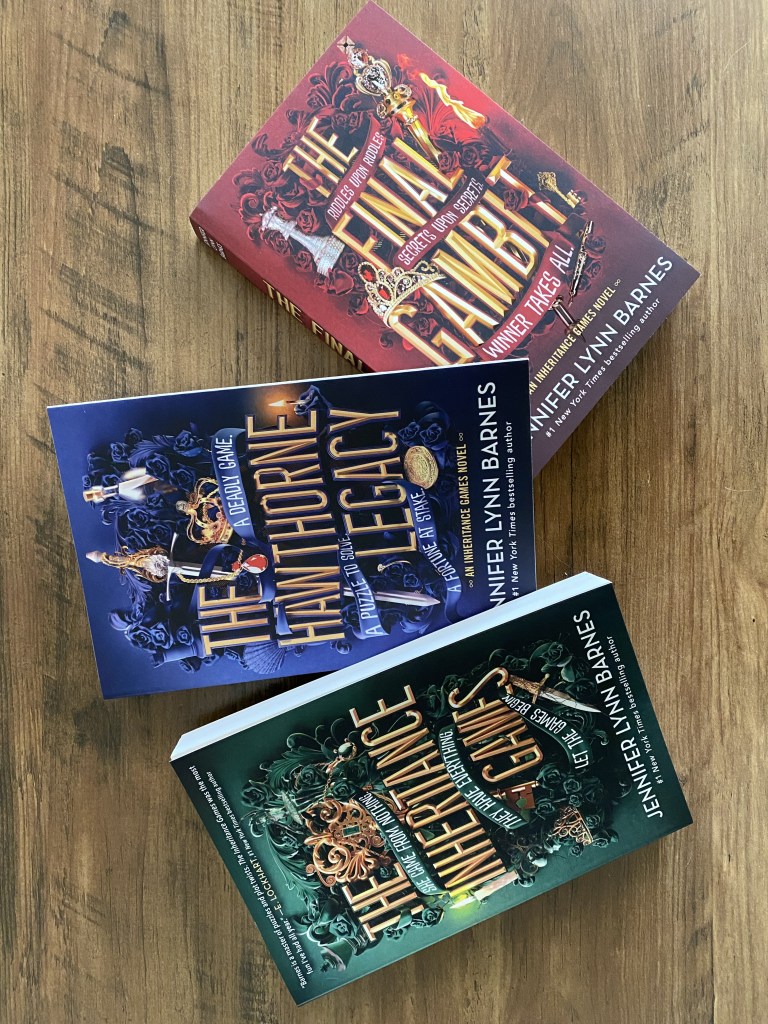
The Inheritance Games Trilogy by Jennifer Lynn Barnes (4/5 Stars): Since I had a hard time putting these books down, I read all three (The Inheritance Games, The Hawthorne Legacy, and The Final Gambit) in such quick succession that the story blurs into one larger narrative for me. While not super deep on a thematic level, these books were intriguing and fun to read, and relatively clean in terms of language and sexual content (which I feel is always a hit or miss in a YA novel these days). I would read more books by Jennifer Lynn Barnes.
Warbreaker by Brandon Sanderson (3.5/5 Stars): I’m normally a gusher-over-anything-Sanderson, but I’ll be honest—Warbreaker was not my favorite. Maybe it’s because the more Sanderson I read, the more I see how he tends to repeat tropes, which makes his books increasingly more predictable. Or maybe it’s because this one just wasn’t as compelling a story. I’m not sure. It was also a little on the sensual side in places—nothing too crazy, but definitely more than what I’ve come to expect from a Sanderson book. Not my favorite, but had its moments.
Children of Dune by Frank Herbert (4/5 Stars): Extremely fascinating book, and perhaps my favorite in the Dune series so far. I enjoyed the political intrigue most; it was a good continuation of Dune: Messiah. Its complex web of themes and character moments kept me on my toes, so I was hooked throughout the story.
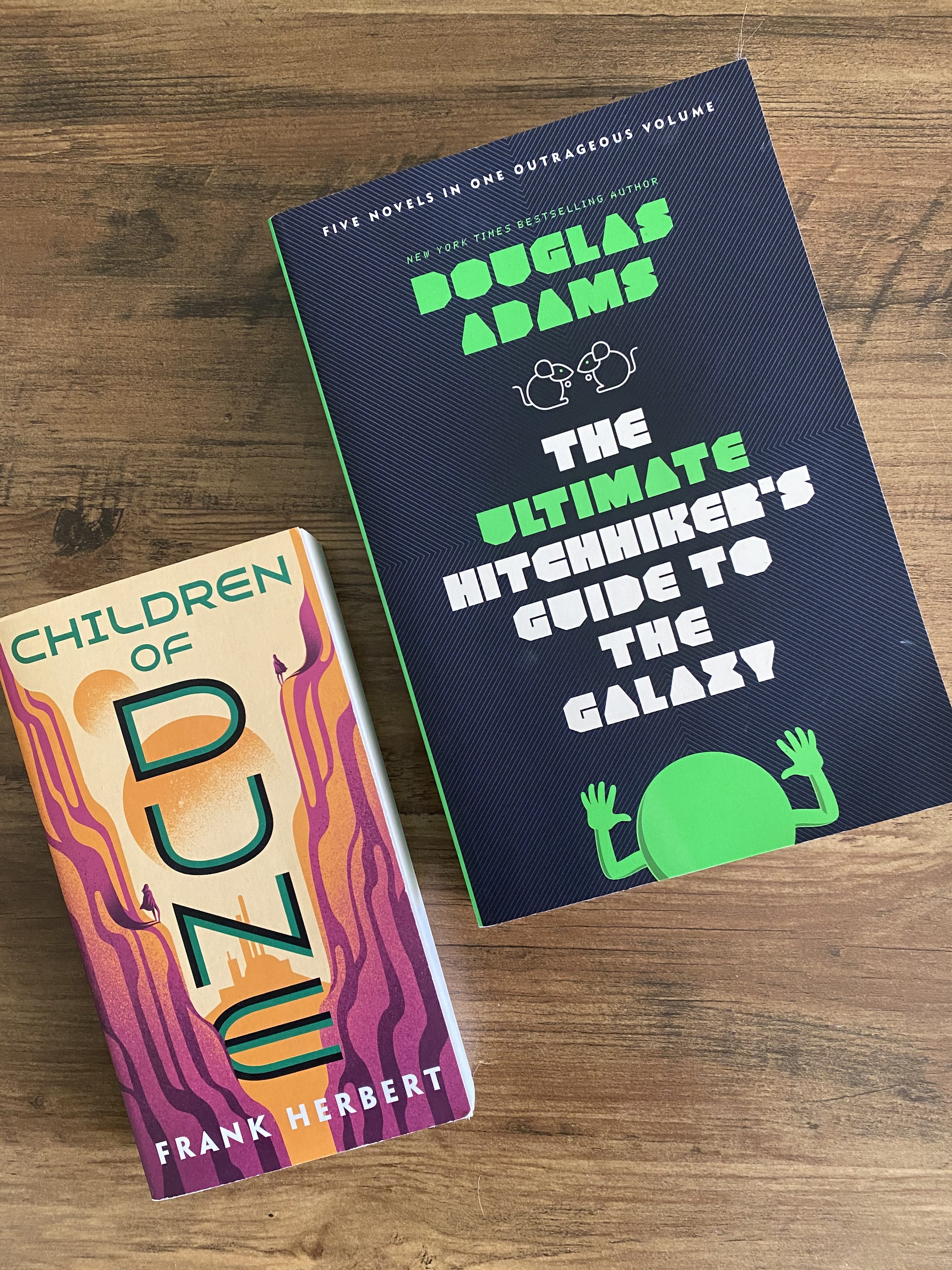
The Hitchhiker’s Guide to the Galaxy by Douglas Adams (4.5/5 Stars): I have the big collection of all the Hitchhiker’s Guide books, and I read them all, but my rating is really about the first one. The first three books of the series are excellent: super funny, wacky, and easy to go along the ride with. The latter two aren’t my favorite, as they’re slower and confusing. But the first one is especially hilarious and engaging. If you’ve not read it, I recommend it!
The Wonderland Trials and The Looking Glass Illusion by Sara Ella (4/5 Stars): This duology is a clever play on Alice in Wonderland. The story is super intriguing, and I loved the creativity of the world-building. Solid choice if you’re looking for a YA story.
The Fellowship: The Literary Lives of the Inklings by Carol Zaleski and Philip Zaleski (4.5/5 Stars): This biography focuses mainly on J. R. R. Tolkien, C. S. Lewis, Owen Barfield, and Charles Williams of the Inklings, though other members of the group also get some mention. I really enjoyed this deep dive into the lives of the featured Inklings, and especially how their literary achievements line up with particular aspects of their life or the broader unfolding history of the world. Especially Tolkien! I knew much of Tolkien’s background already, but this book definitely strengthened my appreciation—and relatability—to my favorite author. The authors do a good job at staying neutral and objective, even in recounting some questionable moral behavior, but there were a few moments where I felt like they weren’t as charitable of their subjects.
The Shadow of the Gods by John Gwynne (3/5 Stars): I have mixed feelings about this book. On the one hand, it is very Norse and Beowulf inspired, which is awesome because it’s right up my alley, so I understood a lot of the allusions in the world-building inspired by Nordic and Germanic history and culture. And it meant I had high hopes for this book going into it. However, it took me a while to get into the story; it’s a very slow burn, but if you stick with it, there are some really compelling and interesting character connections as the three seemingly-separate plot lines start to merge. It was neat to see how things came together, and that did make me want to read the second book. That being said, the other negative for me was the amount of violence and gore. I’m not usually bothered by violence in books, but there was a ton of gore in this book, to the point where I felt uncomfortable. But we’ll see; I may keep reading, or try a different one of Gwynne’s books.
Pearl translated by Simon Armitage (5/5 Stars): Pearl is one of my favorite medieval poems, and I really liked this version from Simon Armitage. It has the original Middle English opposite the modern translation. Pearl is a beautiful celebration of the worth of following Jesus and stirring longing for heaven; if you’ve never read it, it’s highly, highly worth it.
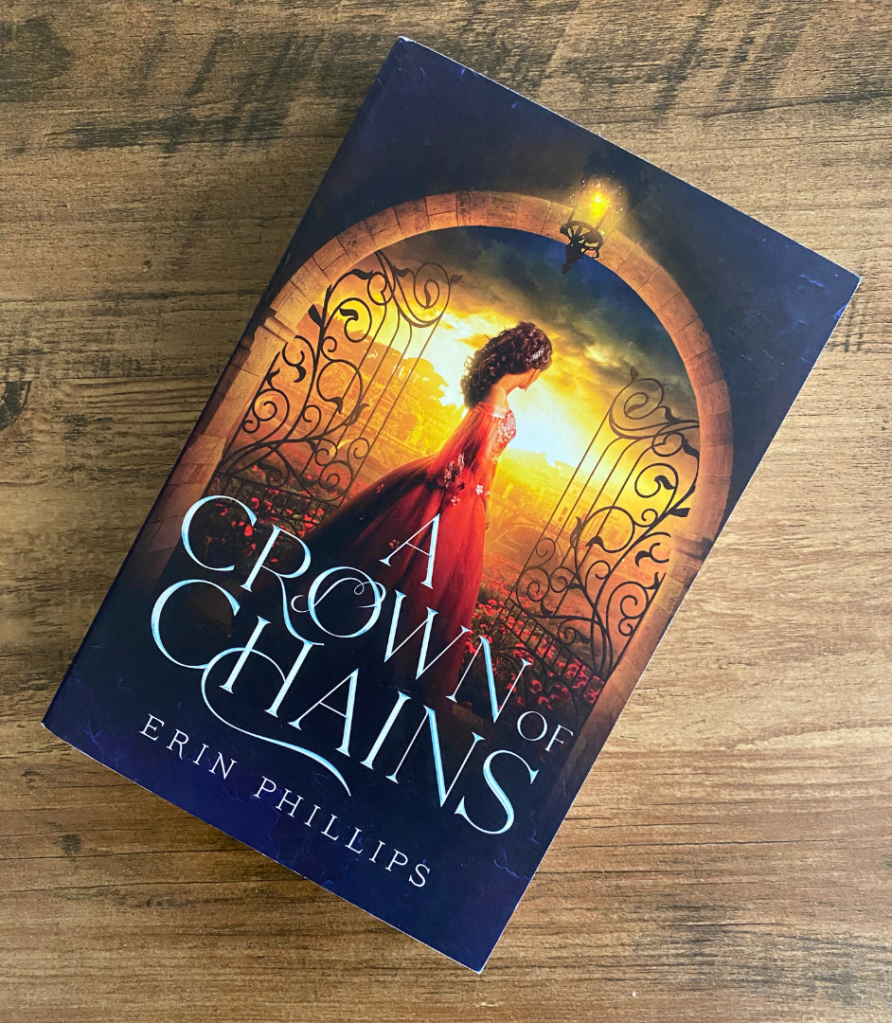
A Crown of Chains by Erin Phillips (4/5 Stars): Phillips’s fantasy retelling of the Esther story was very good. I especially loved how she set up the world in a way that perfectly meshes with some of the political situation from the original Esther story; it felt very natural. She also does a good job writing realistic and complex characters. I was hooked from the start and had a hard time putting the book down. My one caution about the book: it does have a lot of sexual innuendo, so I would advise caution; it is certainly a young adult rather than teen book.
*
It’s been a good year of good reads, and I’m looking forward to getting to several more books on my shelf in 2025. From more Tolkien stories to reading Sanderson’s second Mistborn arc, plus diving into some new fantasy books I received from family and friends this year, I think 2025 is full of many fantastical, inspiring adventures ahead.
Happy New Year, and here’s to 2025!
 By Madelynn Orion